Whip Up A Woodland

Whether you’re planting a small copse of trees or establishing a larger native woodland, bareroot whips provide the strongest start.

Supplied during the dormant season, whips (young trees) are lifted without soil around their roots, allowing them to establish quickly and naturally in their new location. Cost-effective, sustainable, and well suited to Irish conditions, bareroot trees are the most efficient way to plant for the future.

At Future Forests, we supply high-quality whips selected to thrive in Ireland’s soils and climate - helping you grow strong, resilient woodlands that will stand for generations.

FIRST THINGS FIRST

Dip Your Roots

No root should ever go into the soil dry.

If you haven't already, be sure to check the contents of your package & quickly dip the roots of your trees in a bucket of water.

HOW TO PLANT WHIPS

Planting Checklist

  • Shovel
  • Tree
  • Compost
  • Mulch
  • Stakes
  • Tree Ties
  • Spiral Guards
  • Gloves
  • A Good Spot!

CHOOSE THE RIGHT LOCATION

The most important step is choosing the right trees for your location:

Good All Rounders
Hawthorn, Hazel, Rowan, Silver Birch
Wet / Slow-Draining Soil
Alder, Willow, Hornbeam, Hawthorn, Hazel, Downy Birch
Well-Drained Soil
Beech, Field Maple, Scots Pine, Silver Birch
Exposed Windy Sites
Rowan, Hawthorn, Blackthorn, Scots Pine

DIG THE HOLE

When preparing the planting hole, you want to make sure its large enough to allow the roots to spread naturally, without the roots being squished or wrapping around. Be sure to remove sod, weeds, & any potential competition for your tree.

SINK YOUR STAKE

In exposed areas, staking can help protect young trees from wind damage while roots establish. Once you've dug your hole, pound the stake in before you plant your tree.

TRIMMING ROOTS

Sometimes you'll find you have a very long root. Rather than have it wrap around & squish the roots, you can prune your roots lightly. Be sure to watch our video above for more advice on trimming roots.

POSITION THE TREE

The planting hole should be deep enough so the tree sits at the same depth it grew in the nursery.
Place the tree upright in the hole and ensure the graft soil line remains above ground level.

ADDING COMPOST

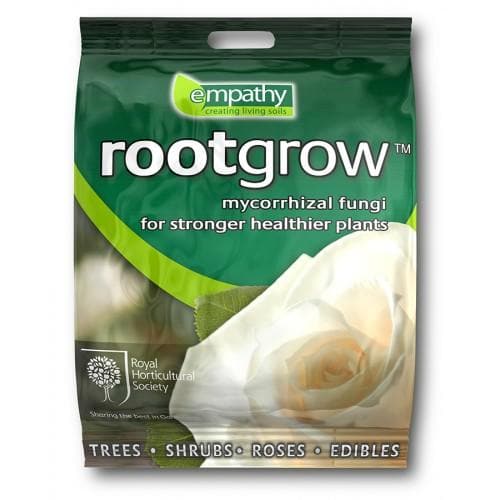
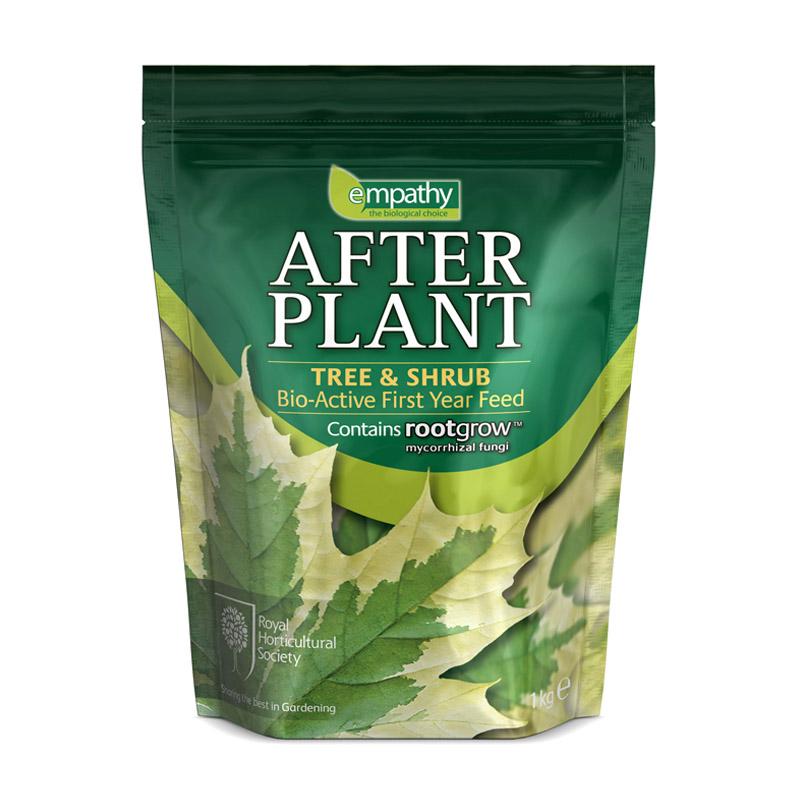
Adding compost or manure is optional but gives your trees and extra boost of nutrients. Be sure to use well-rotted manure that's matured for at least one year. We prefer Gee-up, an organic, rotted manure that's perfect for most trees.

FIRM THE TREE IN

Cover your roots back in with soil and firm the tree in with your heel. If you gently pull up on the tree as you firm in with your foot, this allows the roots to splay out & creates better growth.

TIE YOUR TREE

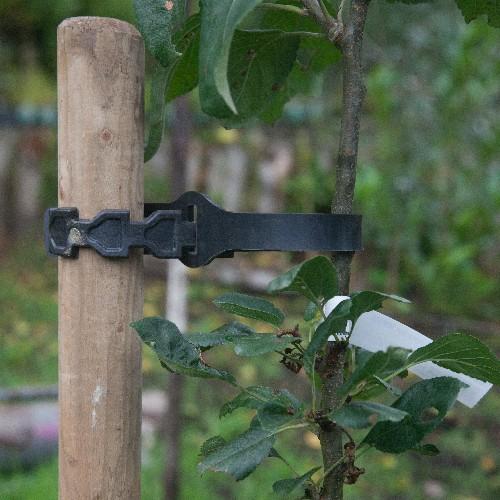
If you're in a windy area and you've already put your stake in the ground, now is the time to tie your tree to the stake. This will help your tree survive storms & high winds in its first few years until its root system is more established.

MULCHING

Whenever possible, we recommend mulching your trees. This helps with weed suppression as well as water retention. It also adds a little layer of insulation in cold weather.

WATERING

Don't forget to water in your whips. Especially if there's a dry spell, you'll need to continue watering your young trees regularly.

PROTECTING YOUR TREE

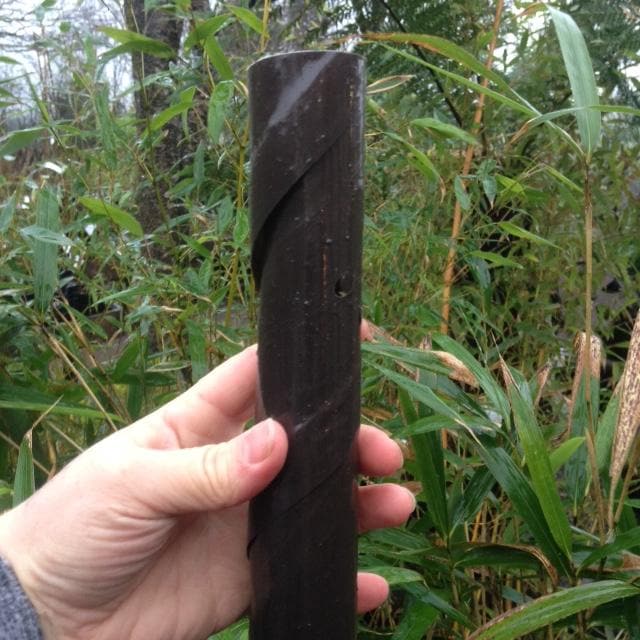
If deer, rabbits, or hares are a problem in your area, then you will need protection for your young trees. Tree guards or rabbit spirals protect young trees from potential damage.

CARING FOR YOUR TREE

As part of the ongoing care for your young trees, we recommend:
- Weeding regularly
- Watering in dry weather
- Refirming after storms & winds
- Checking ties & stakes regularly

Further Tutorials

Have more bareroot plants to put in the ground? Check out our tutorials on bareroot hedges & whips.

HEDGES

In this tutorial, Mattie explains the basics when it comes to planting a that a thick & healthy bareroot hedge.

FRUIT TREES

Learn how to get the most out of your bare root fruit trees including apples, pears, cherries, and plums.

FAQ

Should I add manure?

Yes! Adding a bit of compost or manure gives your trees that extra bit of a boost. Be sure that the manure is well-rotted, at least one year old. We use Gee-up with is an organic manure which is safe & ideal for most trees.

Should I cut the roots?

Cutting the roots might seem counter-intuitive, but this is better than having really long roots that wrap around the planting hole. If you have a long root or two, you can prune the roots before placing the tree in the ground. The video above shows you how.

How long can I store bare root trees in a bag?

Once the roots have been dipped in water, you can store your bareroot trees in the bag they came in for about a week. You should store them in a shed or outhouse to protect the roots. If it's going to be longer than a week until you can plant them, you should consider digging a trench and storing the trees in the trench until your ready to plant. You must plant before the end of the bareroot season (usually the end of March).

How deep should I plant?

You should make sure your roots have plenty of room. When it comes to depth, use the soil mark from the nursery as your guide. Don't plant the tree deeper than the existing soil marker and never cover the graft.

Where do you get your straw?

We source our straw locally here in West Cork. It's become increasingly difficult to source straw in recent years, but it's an excellent natural packing material that protects the plants in transit & keeps them insulated from the cold. Straw is great for the environment and easy to reuse as bedding for chickens & livestock.

Should I prune my whips?

Ask Mattie & Maria

What if there's something wrong with my order?

Please contact us immediately so we can make it right.

It doesn't happen often, but occasionally you might get sent the wrong plant or a plant could get damaged in transit. If there is anything wrong with your order, please contact us straight away.

Email: info@futureforests.ie
Tel: 00353 (0) 27 66176
Office Hours: Mon to Fri 10am to 4 pm

Our Bareroot Collection

Certain trees, like many of our heritage apple varieties, are only available during the bareroot season.

Hedging - Choose your own native wildlife fruiting hedge

Hedging - Choose your own native wildlife fruiting hedge

Bareroot FRUIT 2025/26
Cobnut - Corylus avellana Cosford Cob

Bareroot FRUIT 2025/26

Bareroot TREES 2025/26
Acer rubrum - Canadian Maple - Future Forests

Bareroot TREES 2025/26

Bareroot SHRUBS 2025/26
Cornus alba Elegantissima - Future Forests

Bareroot SHRUBS 2025/26

Bareroot ROSES 2025/26
Rosa Adelaide d'Orleans

Bareroot ROSES 2025/26

Bareroot CONIFERS 2025/26
Abies koreana - Future Forests

Bareroot CONIFERS 2025/26